
echo
A collection of paintings, seemingly unrelated to each other, which tells one story, yet not being a closed work. Variations on common themes; someone may notice connections between the paintings while someone else may not, but it doesn’t matter. Nonchalance in form - genres, techniques, blend together, emphasizing the distinctiveness of individual paintings while simultaneously highlighting the themes of each.
The viewer is the narrator, editor, author in this story.
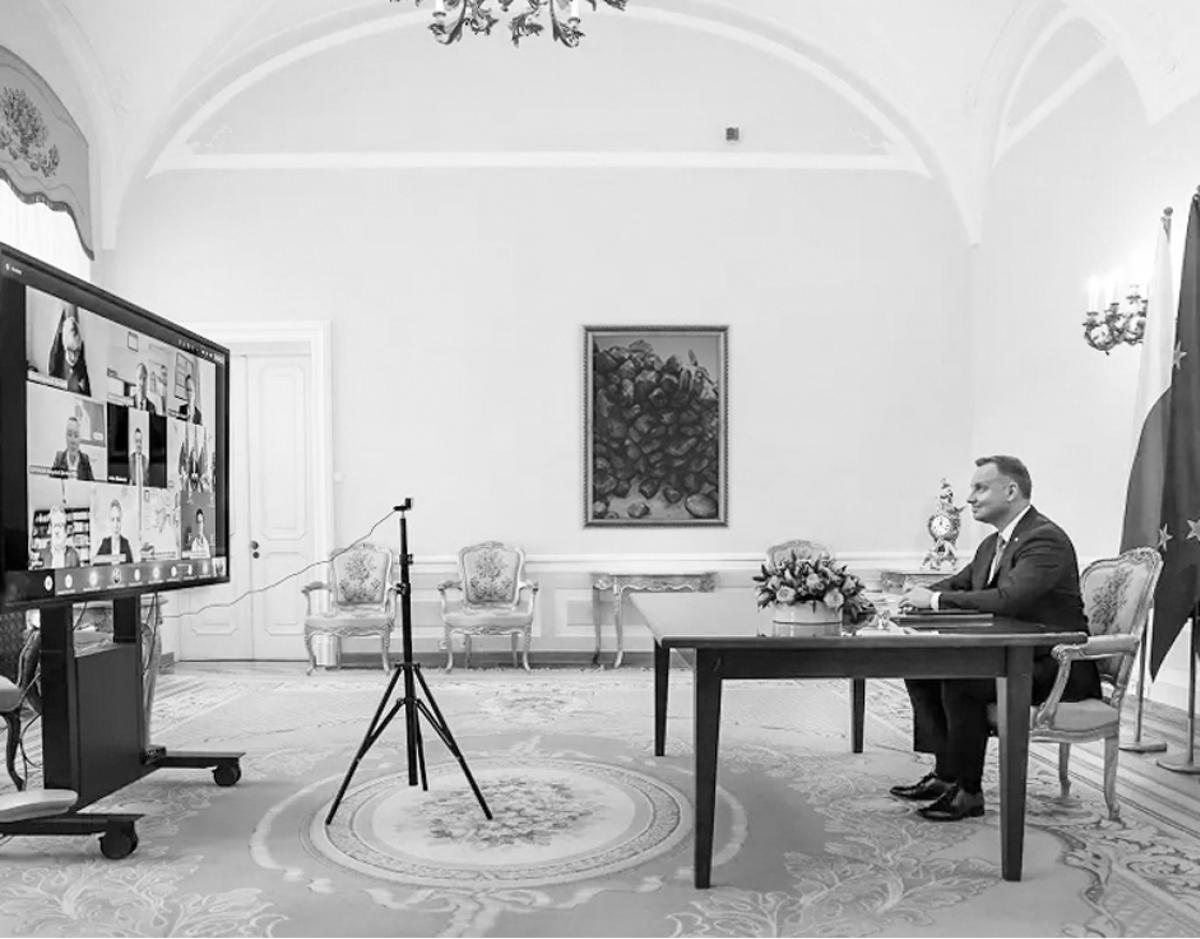
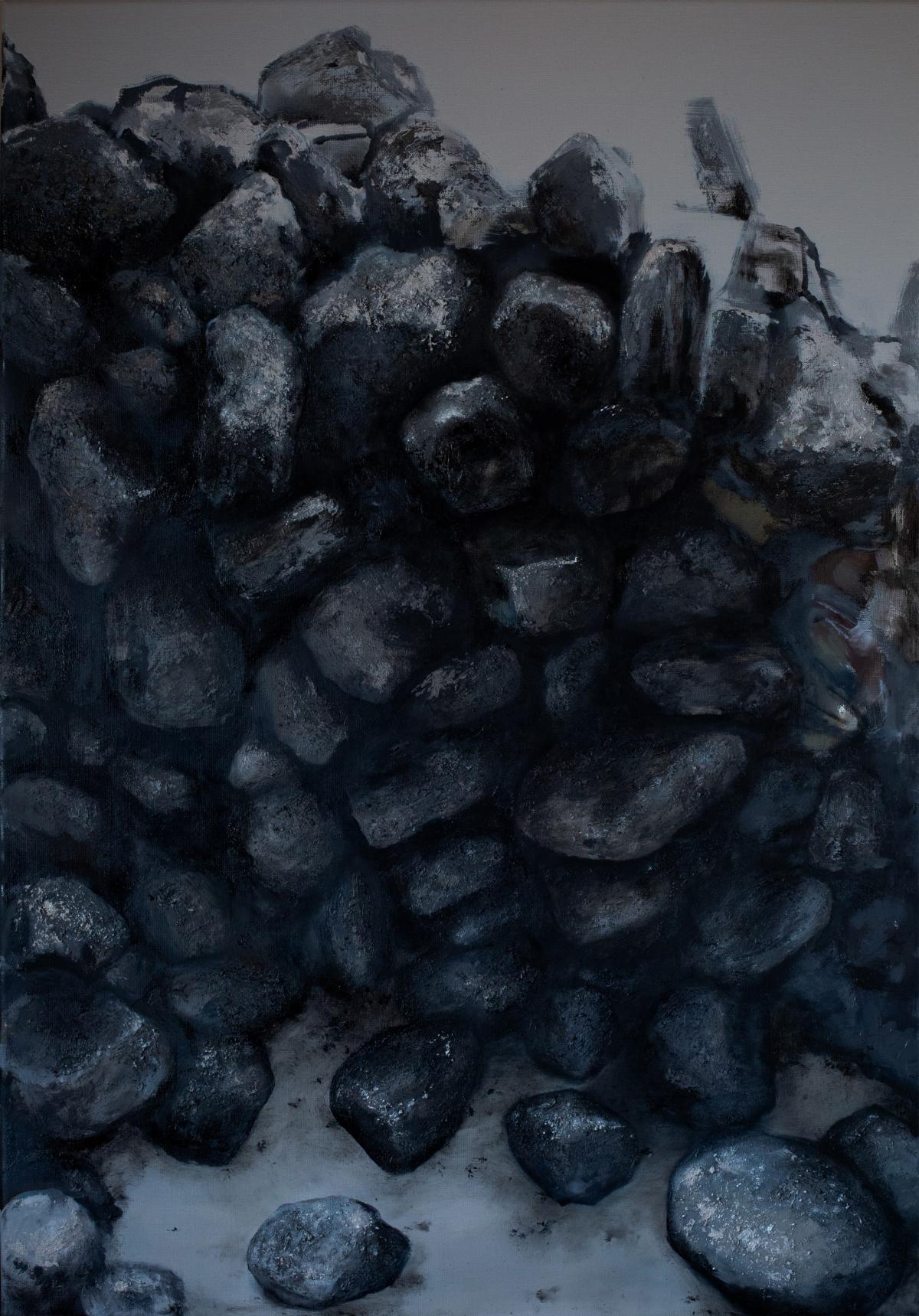
The painting depicts a pile of coal.
In my family home, even in the 21st century, we relied on coal to heat the house. When the delivery arrived, it was raining. To maximise thermal efficiency, my mother always ordered very large pieces of coal, valued for their high calorific content. The men tipped the load in front of the garage entrance, and together – my mother, my brother, and I – we carried it to the boiler room. In the rain, the coal shimmered like gemstones.
In Poland, coal is seen as a treasure. That is why it deserves a portrait.
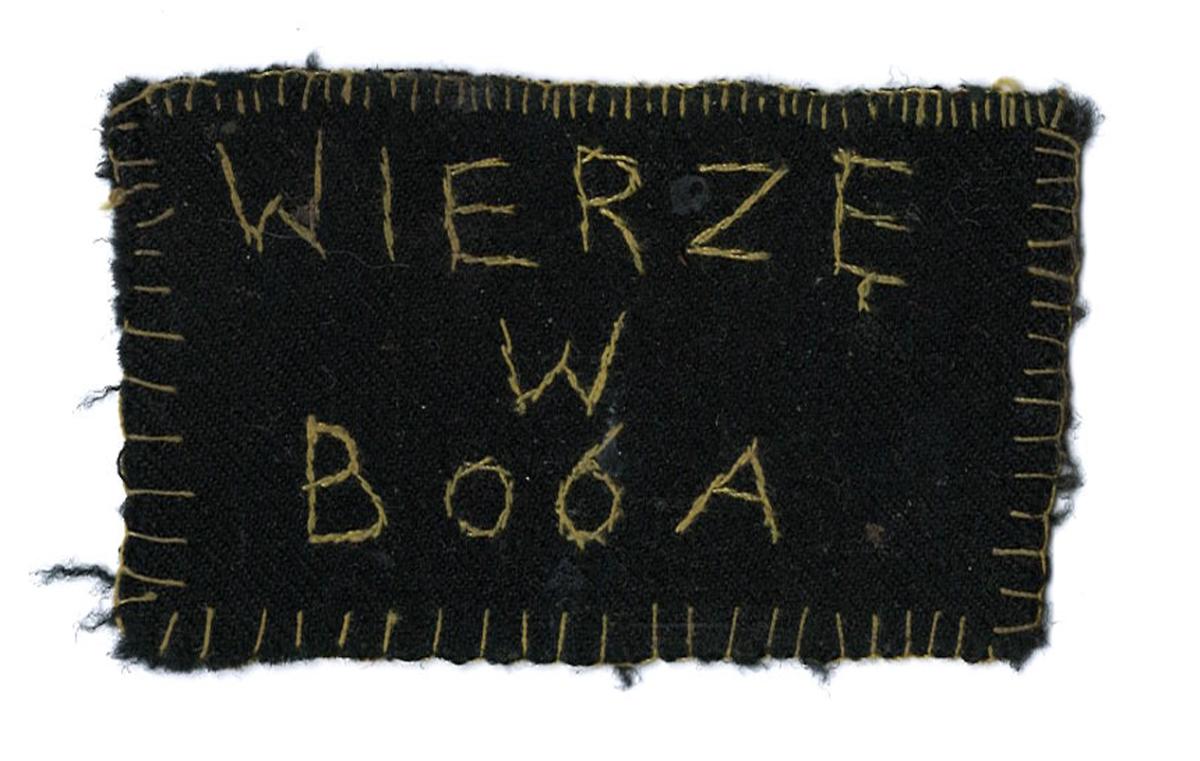
On 4 June 1988, during the communist era in Poland, my mother travelled to America. Before she left, my grandmother – who was visually impaired – embroidered the words “I believe in God” onto a small piece of wool. It was intended as a token of protection: should the plane crash, my mother could be buried according to the Catholic rite. She carried this piece of cloth in her wallet from that day onwards.
In 2005, my mother’s purse was stolen, along with her money, documents, cards, and phone. A week later, she received an anonymous envelope. Inside was not the purse, nor its contents, but only the embroidered cloth
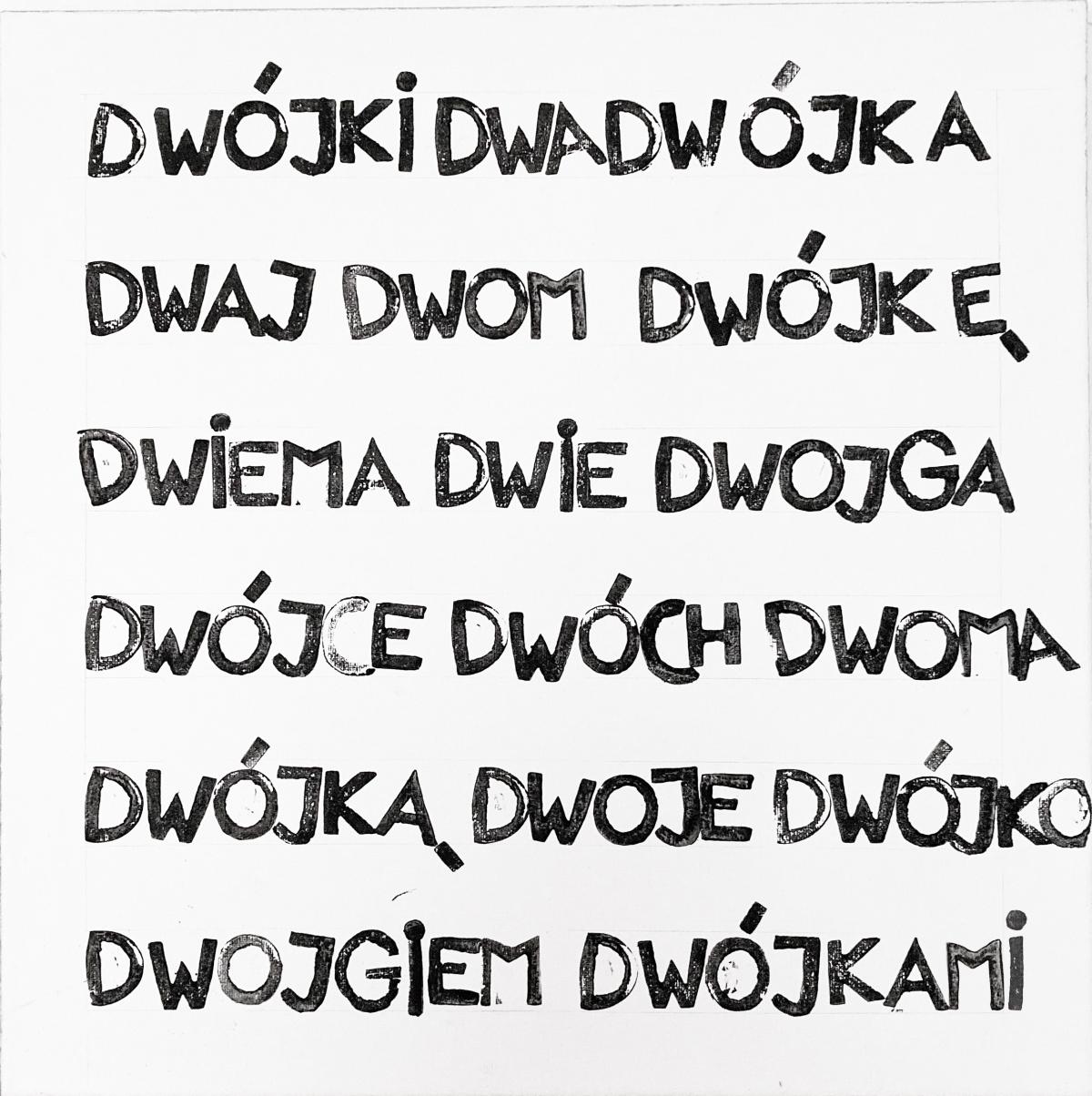
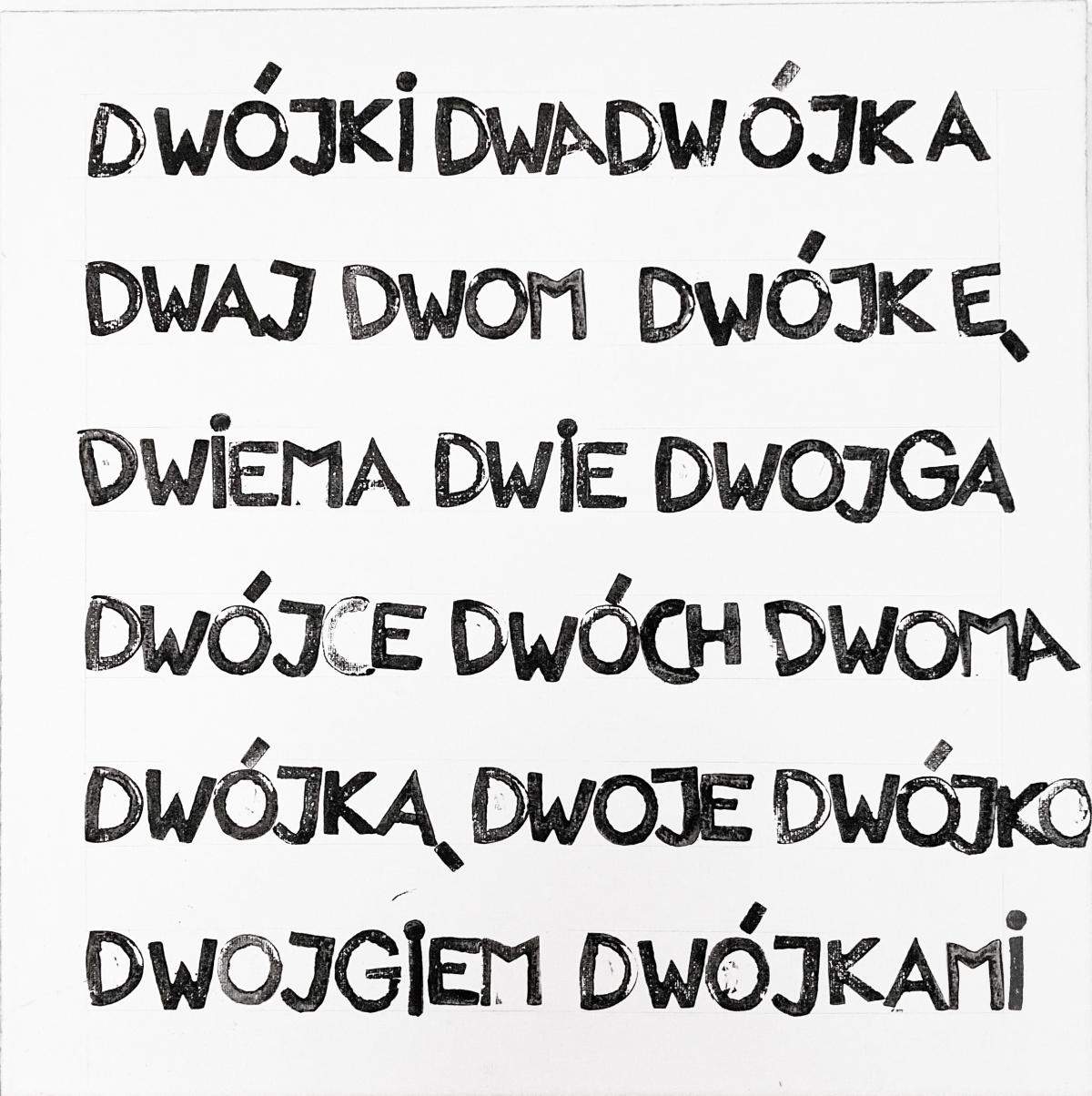
The image “2” presents 17 different ways of saying the word two in Polish.
I used potato stamps to illustrate the repeatability and precision of the first part of the word dwa (the same stamps were used each time), while also revealing the individuality of each whole word (since every stamped impression is unique).
There is a deliberate simplicity in this method – children often use potato stamps – reflecting both the apparent simplicity of the word two and, at the same time, the complexity of its use in different contexts.
The work highlights the strong contrast between the precision of the numeral “2” and the individuality expressed through language.
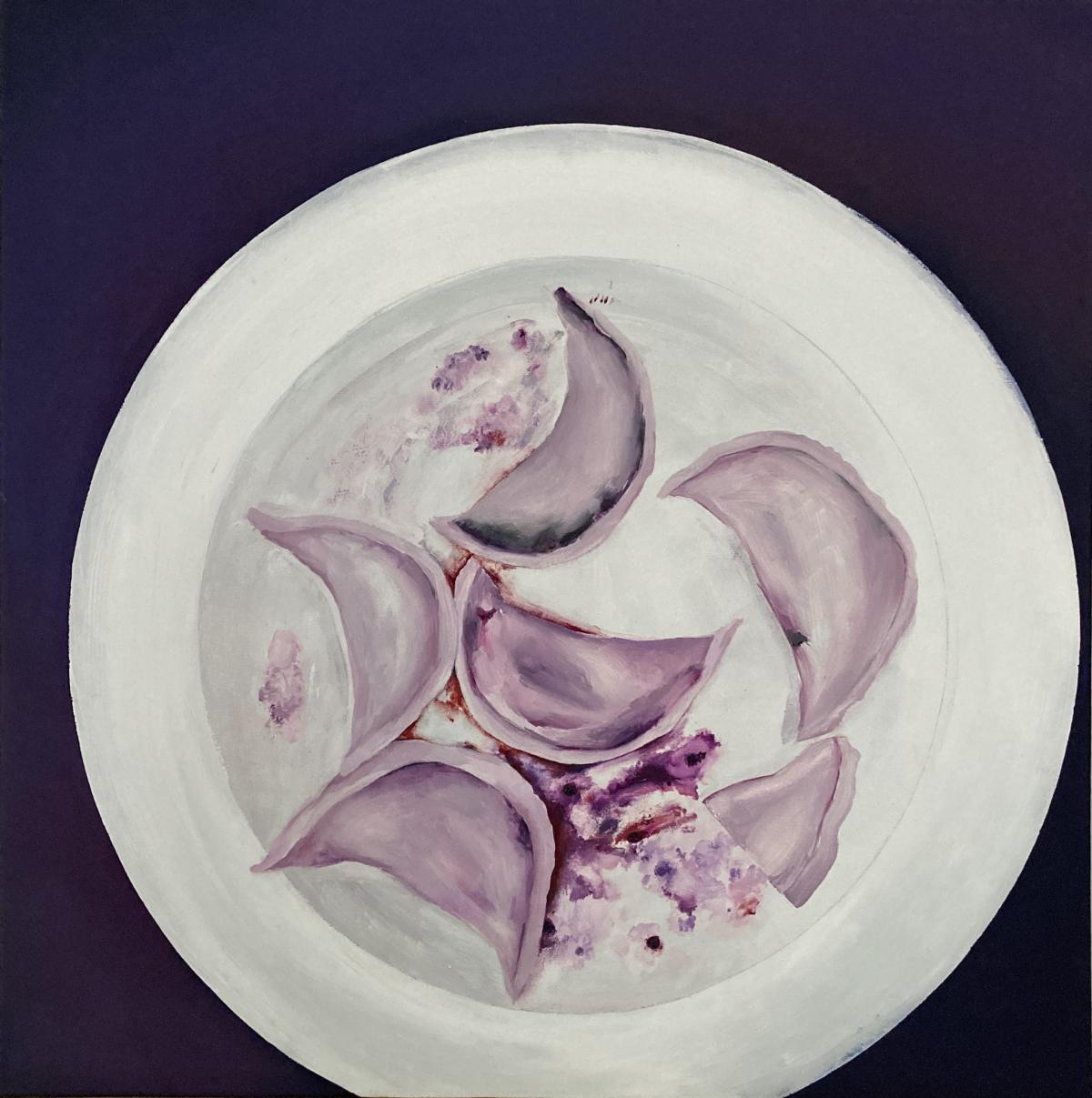
“Are you hungry?”
This is the most important question asked by our mothers, grandmothers, aunts, and even the mothers of our friends. For them, being well-fed seems to solve all of life’s problems. A full stomach means a life free from worry.
Yet the question can also carry a hidden weight. It may serve as a way of avoiding more difficult conversations, a harmless phrase masking unspoken tensions. Beneath the surface of hospitality, a certain absence of care can sometimes be found.